
Booking a holiday online takes about ten minutes. Fixing one that has gone wrong can take ten days. That gap sits at the heart of the travel agent vs booking online debate. ABTA’s Holiday Habits 2026-27 research found that 38% of UK overseas holidaymakers booked through a travel professional, up from 34% a year earlier. They gave ease of booking (60%), saving time (45%) and value for money (44%) as the reasons.
This travel agent vs booking online guide covers what a personal agent actually does for you, where ATOL protection helps and where it doesn’t, and why a multi-centre holiday is the trip where one person in charge matters most.
Travel agent vs booking online: what’s actually different?
On a booking site, you are the travel agent. You pick the flights, find the hotel, sort the transfer and keep every confirmation in one email folder. If something changes, you chase each company yourself. Most of the time that’s fine. The trouble starts when something breaks and nobody is looking at the whole trip except you.
With a personal travel agent, one person knows what you booked and why. They have your details, they built the itinerary, and they’re the one you ring. In practice that means:
- One contact, instead of an airline, a hotel and a transfer firm.
- ATOL and ABTA protection, when you book through an authorised agent.
- Someone who can rebook and talk to suppliers while you wait.
- Advice a filter can’t give you, like which resort suits toddlers or which month to avoid.
What ATOL protection does and doesn’t do
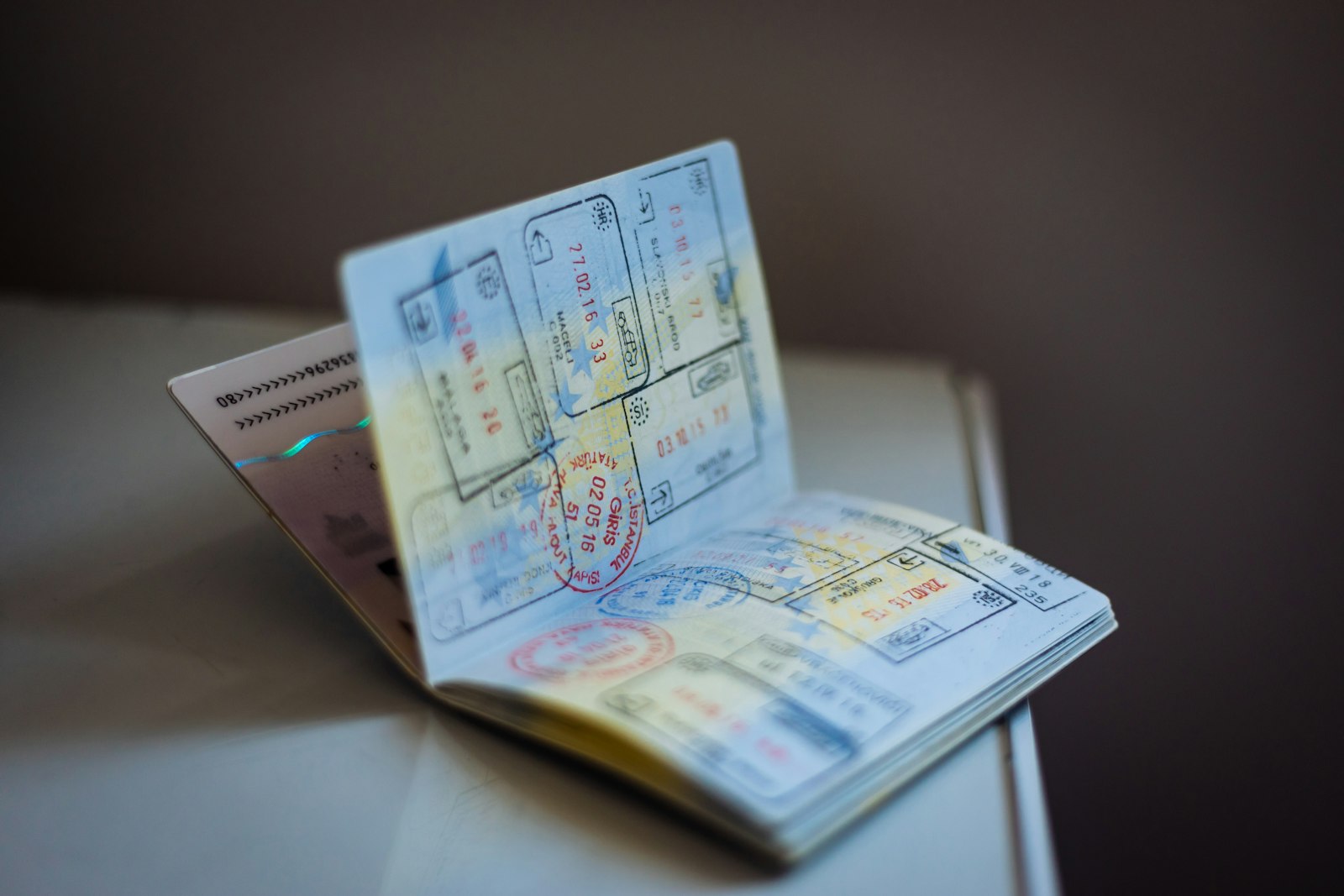
ATOL stands for Air Travel Organiser’s Licence, and the Civil Aviation Authority runs it. It protects package trips that include a flight. It isn’t travel insurance.
If the company you booked with fails while you’re abroad, the CAA says it will try to keep you in your booked accommodation, reimburse what you spend replacing protected parts of the trip, and arrange flights home. If you haven’t travelled yet, the aim is to get your money back.
What it won’t do: you can’t claim from ATOL for cancellations, complaints, sickness or injury. Flight-only tickets bought direct from an airline, where you get an e-ticket, aren’t covered either. You still need travel insurance.
Book an ATOL-protected trip and you should get an ATOL certificate that names who is protecting you. Keep it. If you book through an agent, you should still be able to see exactly which ATOL holder that is.
What happens when a holiday company fails
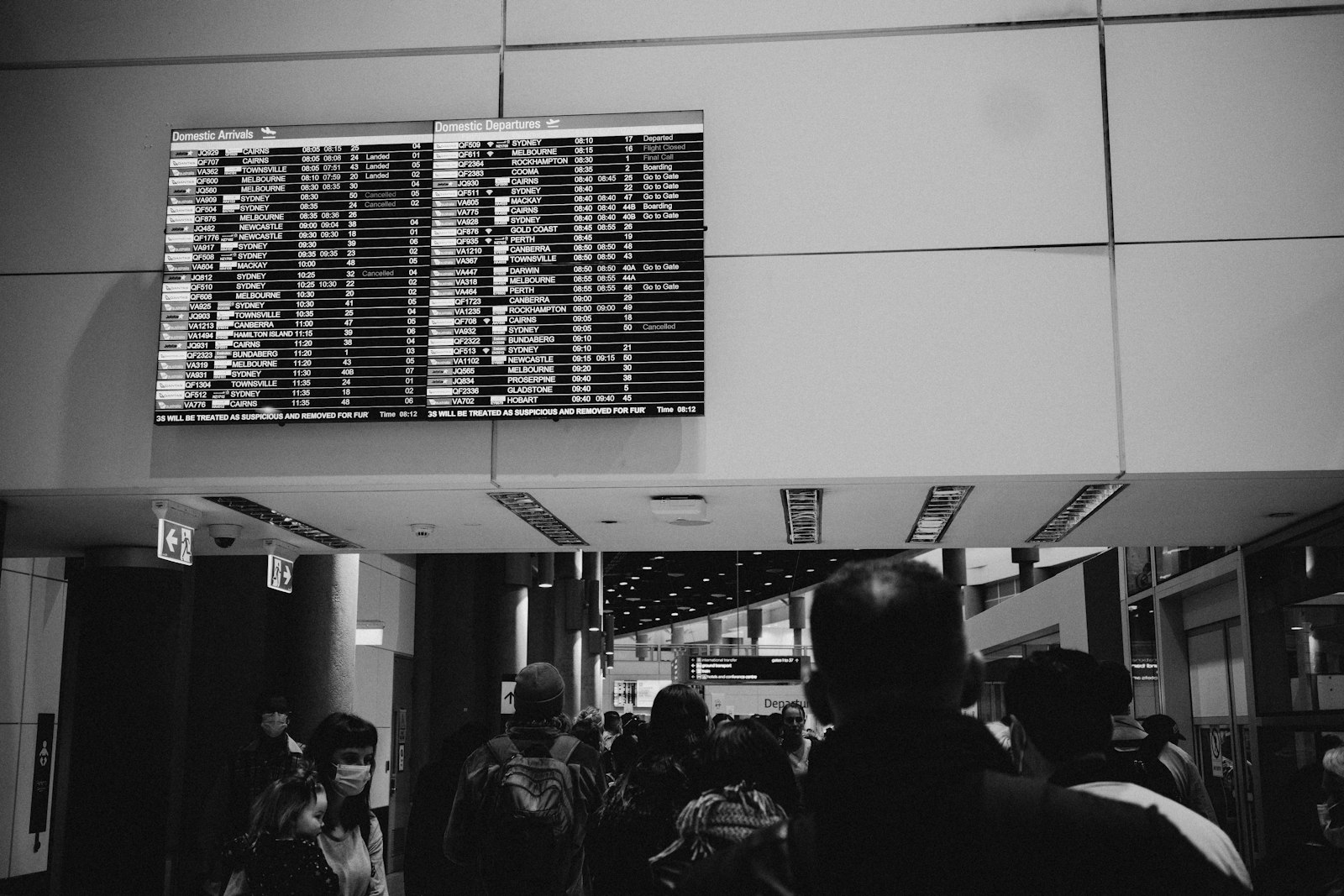
Protection reads like small print until the day you need it. Two UK collapses show the scale.
- Monarch, October 2017: around 110,000 passengers were stranded abroad, and a major repatriation operation was needed to bring them home.
- Thomas Cook, September 2019: more than 150,000 holidaymakers were abroad when it collapsed. The government and the CAA launched what they called the largest repatriation in peacetime history, and accommodation costs were covered for ATOL-protected package customers.
Most holidays never come near anything like this. But people with protected, properly documented bookings knew how they’d get home. That’s what you’re paying a decent agent for.
Multi-centre holidays: where a travel agent earns their keep

A multi-centre holiday has two or more stops on one trip. Say a few nights in Athens, a ferry to an island, then a week somewhere else. They make great holidays. They also have the most that can go wrong, because flights, hotels, transfers and ferries all have to line up.
Picture it booked in separate pieces on different websites. Your flight into Athens lands three hours late. The ferry you booked elsewhere leaves without you. The island hotel marks you as a no-show, and the transfer driver has gone home. Each company only answers for its own bit, so you’re standing in an airport sorting out four problems at once.
Book it as one trip through an agent and it’s one itinerary and one phone number. They can warn the hotel and the transfer company, find the next ferry and rebuild the plan while you’re still travelling.
There’s a legal side too. Under the Package Travel Regulations 2018, the organiser of a package is responsible for making sure the whole thing is delivered, even when other companies supply parts of it. Book flights, hotels and transfers separately and you often won’t have that single point of responsibility. It depends on how the booking is made, so check before you pay.
Why a personal travel agent beats a website

In the travel agent vs booking online comparison, a website can show you a thousand hotels. It can’t tell you the one with the great reviews is a 40-minute drive from the beach, or that the cheapest flight lands at 1am. An agent can, because they ask what the trip is for.
- They plan around you: young kids, a honeymoon, a big birthday, the first trip abroad in years.
- They stay with the booking. Message or call when something changes and a person answers.
- They keep the documents, confirmations and ATOL details in one place.
- If a supplier changes your flight times or hotel, they deal with it.
Are travel agents more expensive?
Not always. On price, travel agent vs booking online is closer than most people expect. Agents buy from trade suppliers and can often match online prices, sometimes beat them. Be wary of comparing headline ‘from’ prices, though. Online, they’re often built on short stays, room-only boards and regional airports, which isn’t like for like with a quote built around you. Ask for a quote and compare the same dates, nights, board basis and airport.
Five checks before you book any holiday
- Is the seller ATOL protected, and will you get a certificate naming the holder? You can check on the CAA’s ATOL website.
- Are they an ABTA member? Look for the ABTA number and check it.
- Is it one package or separate bookings? Ask who is responsible if one part changes.
- Who do you ring if something goes wrong on the day, and is it a real person?
- Do you have travel insurance? ATOL isn’t insurance.
Frequently asked questions
Is it worth using a travel agent?
For a simple flight-only trip, probably not. For package holidays, family trips and multi-centre itineraries, an agent saves time, handles problems and gives you protection that separate bookings often lack.
What is the difference between ATOL and ABTA?
ATOL is the CAA’s financial protection scheme for trips that include flights. ABTA is the UK travel association: its members follow a code of conduct and offer a route to resolve complaints. They do different jobs, and the best-protected trip has both.
Can I book a multi-centre holiday through you?
Yes. Tell us where you’d like to go and what matters most, and we’ll build the whole trip around it and be your single point of contact.
Talk to a real person about your next holiday
We Guard Holidays provides ABTA and ATOL protected holidays. Browse our holiday packages for ideas and ‘from’ prices, then message or call us for a quote built around you. No chatbots, just someone who knows your trip.
Sources: ABTA Holiday Habits 2026-27 (via Travel Daily News); ATOL, what does ATOL protection mean; GOV.UK, Thomas Cook repatriation; GOV.UK, Monarch repatriation; Package Travel Regulations 2018 guidance. Photos via Unsplash.